%20and%20Chemical%20Vapor%20Deposition%20(CVD).%0A%0A%0AHigh-Pressure,%20High-Temperature%20(HPHT)%20Method%0AThe%20High-Pressure,...)
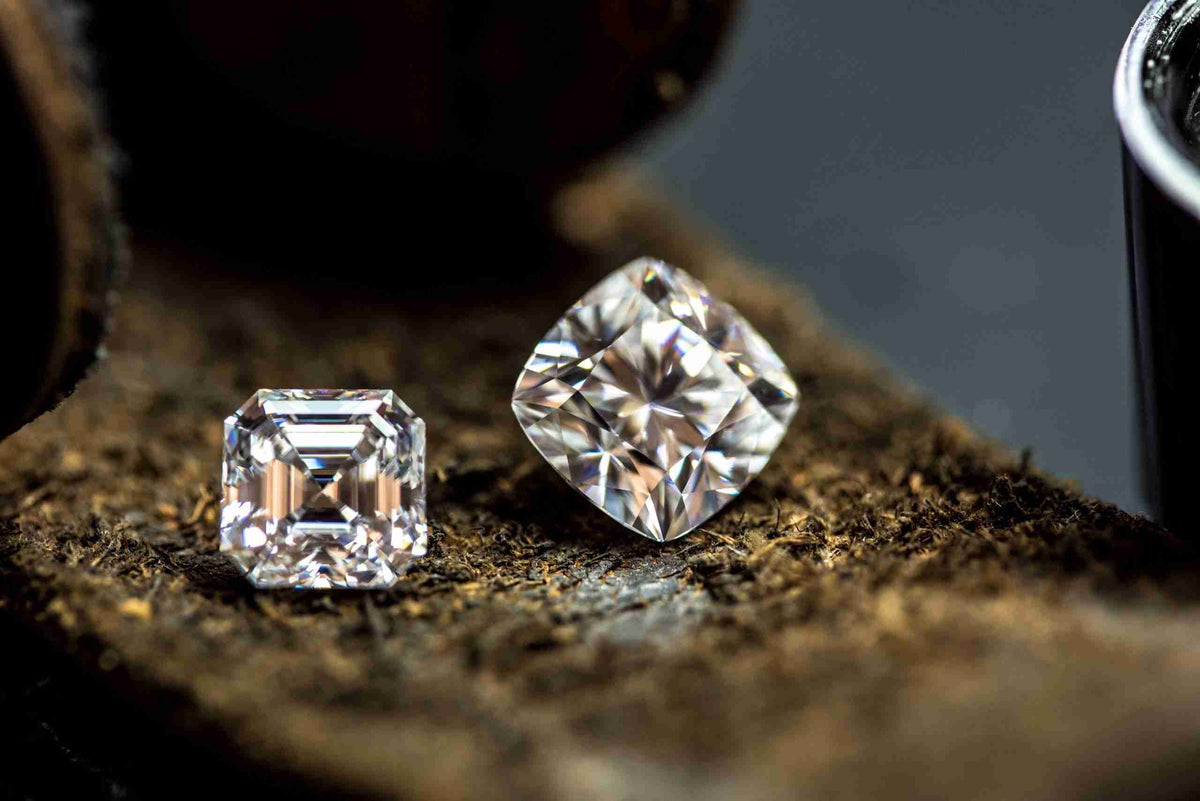
High-Pressure High-Temperature Method vs. Chemical Vapor Deposition
Laboratory-grown diamonds are grown using two methods: High-Pressure, High-Temperature (HPHT) and Chemical Vapor Deposition (CVD).



Celebrities who support lab-grown diamonds
Many internationally influential celebrities support choosing lab-grown diamonds, including Leonardo DiCaprio, Lady Gaga, Emma Watson, Meghan Markle, and Penelope Cruz.
Read more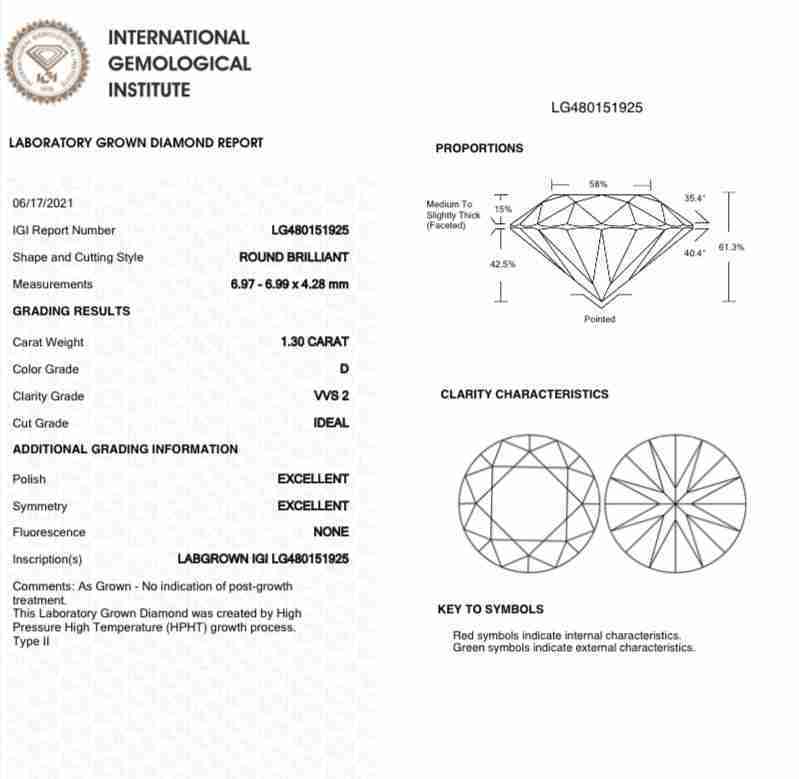
Different Diamond Grading Labs and Certificates
Introduce different authoritative diamond grading organizations and certificates worldwide; for example, a GIA certificate is issued by GIA, the Gemological Institute of America. An IGI certificate...
Read more