

Oval Brilliant vs. Oval Modified: A Complete Comparison Guide
Quick Summary: How to Choose an Oval Cut Diamond?
The main differences in names on certificates lie in "brilliance style" and "facet structure".
- Oval Brilliant (Classic Sparkle): Larger flashes of fire with noticeable scintillation, most closely resembling a round diamond in style.
- Oval Modified (Fine Sparkle): More facets, producing a dense, fine reflection of light (like shattered ice), effectively reducing the "bow-tie effect".
- Core Selection: The name does not indicate superiority or inferiority. The diamond's Proportion and Symmetry have a greater impact on its beauty than certificate terminology.
In recent years, oval diamonds, with their elegant curvature and excellent ability to appear larger, have become a popular choice for engagement rings. However, when examining certificates, many customers encounter a question:
"The certificate says 'Oval Brilliant' or 'Oval Modified Brilliant'. What's the difference, and which one is better?"
In fact, the difference between the two primarily lies in their cutting structure and light performance, not in terms of "good or bad". Below is a detailed explanation.
I. What is Oval Brilliant? (Classic Standard Cut)
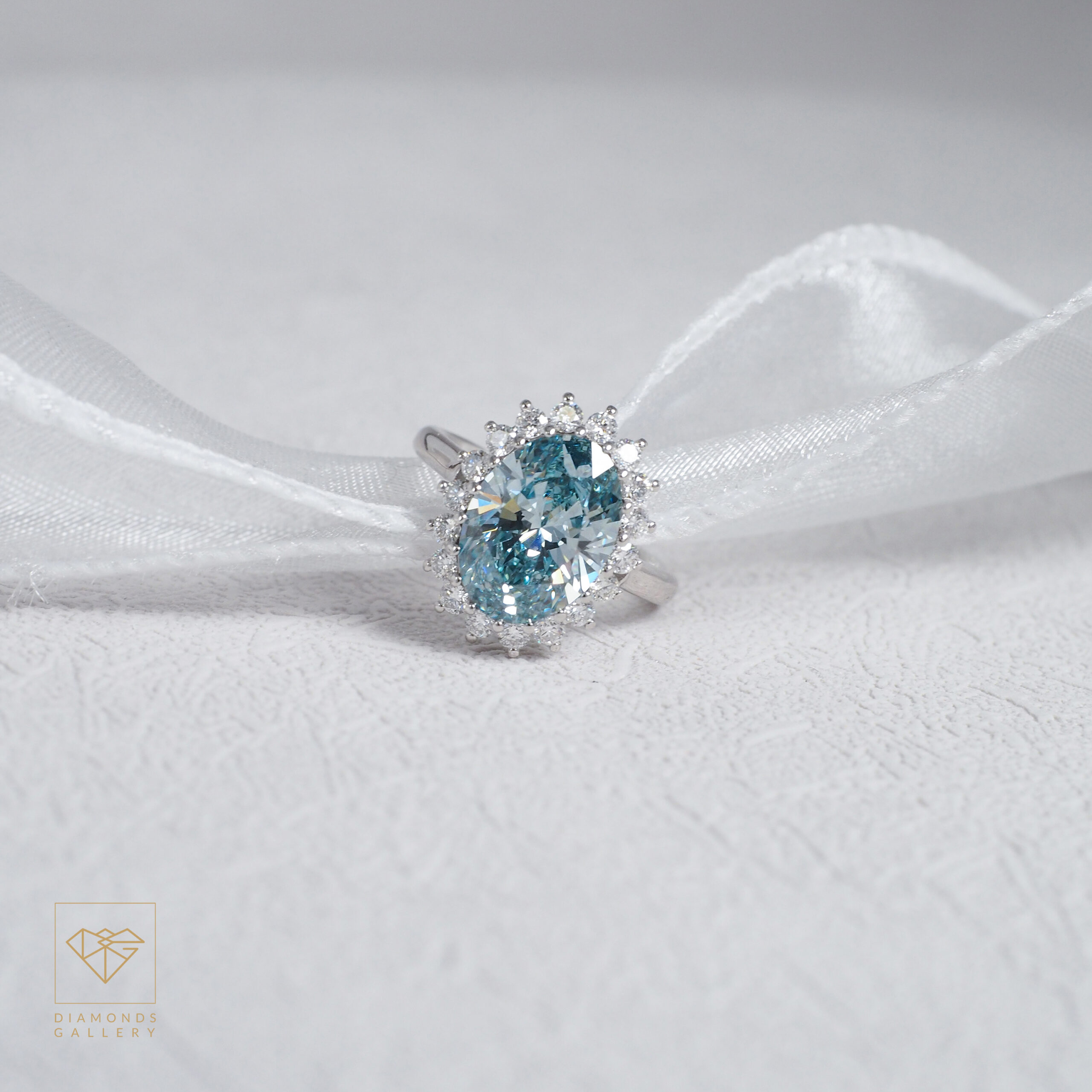
Oval Brilliant is a standard cutting style derived from round diamonds.
- Facet Structure: Approximately 57–58 facets, arranged very similarly to a round brilliant cut.
- Light Performance: Displays larger flashes of fire with strong contrast between light and dark, creating noticeable scintillation.
- Visual Style: Represents the most "classic" oval form. If you're looking for the traditional sparkling effect of a diamond, this is your primary choice.
II. What is Oval Modified? (Modified Cut)
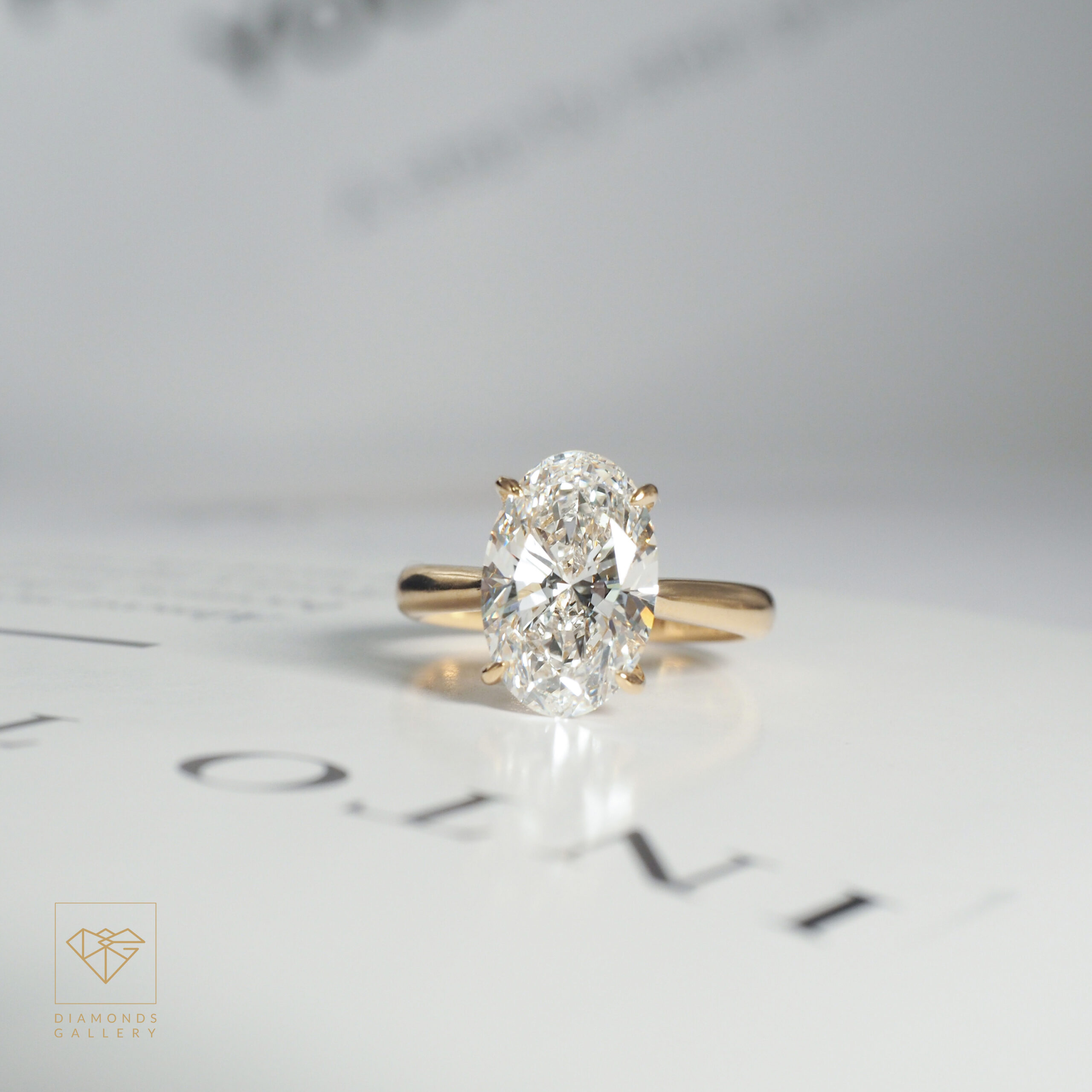
Oval Modified Brilliant is the result of adding extra facets or adjusting proportions to the traditional structure.
- Facet Structure: More complex facet arrangement.
- Light Performance: Light reflection is more dispersed, producing a fine, dense scintillation (similar to a "shattered ice" effect).
- Core Function: This cut is typically designed to reduce the common "bow-tie effect" in oval diamonds—a dark, shadow-like band across the center of the diamond.
III. A Table of Key Differences: Varying Styles of Sparkle
| Comparison Item | Oval Brilliant (Classic Sparkle) | Oval Modified (Fine Sparkle) |
| Sparkle Style | Large, strong light-dark contrast | Fine, even, shattered sparkle |
| Visual Effect | More traditional, distinct layers | More modern, even like shattered ice |
| Bow-tie Effect | Higher risk, proportion needs attention | Usually less noticeable |
IV. How to Choose? The Most Practical Selection Method
Choose Oval Brilliant if you:
- Enjoy the intense, vibrant sparkle of "traditional diamond fire".
- Desire a sparkling style closest to that of a round diamond.
- Prefer a classic and layered engagement ring style.
Choose Oval Modified if you:
- Are very concerned about the "bow-tie shadow" in the center of the diamond.
- Prefer a delicate, even, star-like fine sparkle.
- Seek a more modern, design-oriented visual style.
V. An Important Truth Many Don't Know
In fact, in the definition of many grading labs, all Ovals are already considered "Modified Brilliant" types. The definition varies slightly between brands or cutters. Therefore, what matters most is not to dwell on the certificate name, but rather:
- View in Person or via Video: Observe if the fire and brilliance align with your aesthetic preference.
- Check for Bow-tie: Examine the diamond's center for any excessively dark or large bow-tie shadows.
- Compare Symmetry: The degree of left-right symmetry in an oval directly impacts its visual beauty.
VI. Professional Buying Advice: Proportion Over Name
When selecting an Oval diamond, because the quality of the rough stone is controllable, cutters can more easily achieve perfect proportions. Remember, good proportion is more important than the cut name:
- Cut Proportion: Good proportions enhance the diamond's brilliance.
- Symmetry: Determines if the diamond's outline is elegant and smooth.
- Light Performance: Observe for "fish eyes" or large dark areas.
A high-quality Oval Brilliant will definitely be more beautiful than an average Modified, and vice-versa.
💡 After choosing your oval diamond cut, looking for the perfect setting to complement it? Refer to: [Different Ring Setting Styles: A Guide to Choosing Your Perfect Design]
Conclusion: Which One Is Right for You?
There is no absolute superiority or inferiority between Oval Brilliant and Oval Modified; the difference lies solely in the sparkle style (large flash vs. fine flash) and light uniformity.
The true classic is the diamond that catches your eye and whose brilliance captivates you. At Diamonds Gallery, we recommend clients try on and compare different light performances in person. Because only by seeing it with your own eyes will you know which one truly belongs to you.


:%20Larg...)